
What You Need to Know Before Adopting a Dog
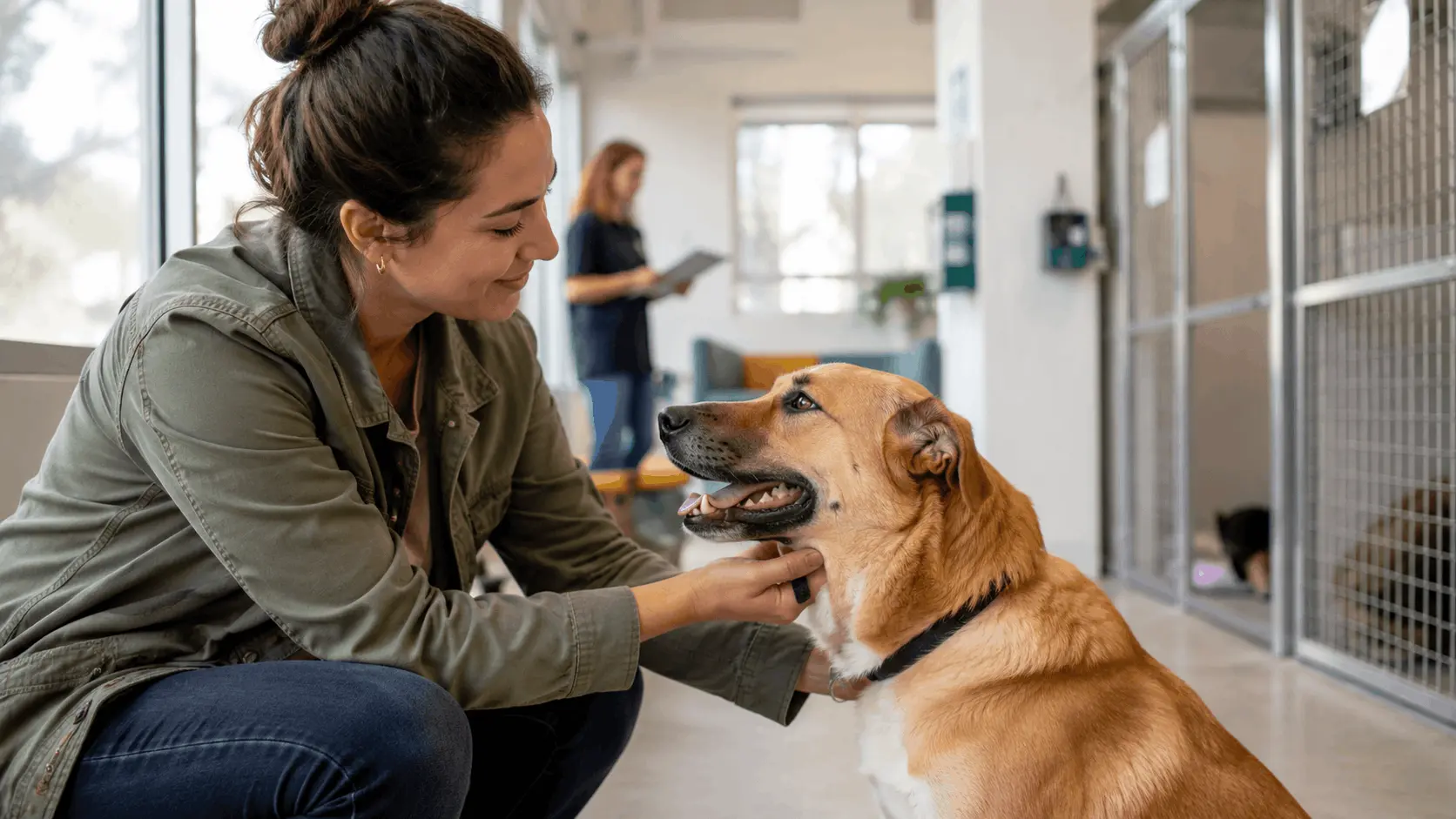
It is very easy to get ahead of yourself when you start thinking about bringing a dog home. You picture the walks, the couch naps, the new routine, maybe even the name, before you have really thought through what everyday life with that dog is going to look like.
That excitement is part of the fun, but this is also where it helps to slow down for a minute. There are a few important things to consider before adopting a dog, especially your schedule, living space, budget, family routine, and how much time you can realistically give them.
A dog becomes part of far more than your home. They become part of your mornings, evenings, weekends, travel plans, exercise routine, and long term decisions. Depending on the dog, they may also need training, grooming, medication, extra supervision, or simply more time to settle in than you expected.
The goal is not to make dog adoption feel intimidating. It is to help you choose a dog whose needs fit your life and make sure you are ready to give them a stable, comfortable home. The more you know before adopting, the easier those first few weeks tend to feel for everyone.
Key Takeaways
Before you adopt a dog, keep a few big things in mind:
- Look at your real routine. Think about work, travel, exercise, family schedules, and how much time your new dog would spend alone.
- Choose based on lifestyle, not appearance alone. Age, temperament, energy level, size, and dog behavior often matter more than looks.
- Plan beyond the adoption fee. Food, grooming, training, pet care, routine health needs, and emergencies all become part of the budget.
- Prepare your home before arrival. A bed, bowls, leash, food, toys, and a calm place to settle can make the transition easier.
- Expect an adjustment period. An adopted dog may need days, weeks, or months to feel completely at home.
- Ask plenty of questions. Shelter staff and rescue volunteers may be able to tell you about temperament, medical history, habits, and what type of home might suit the dog best.
Things to Consider Before Adopting a Dog
It is easy to imagine the fun parts first. A dog waiting for you at the door, weekend walks, car rides, toys all over the living room. Those are real parts of dog ownership, but so are early morning potty breaks, arranging care when you travel, unexpected vet visits, and making sure your schedule actually works for another living thing.
Start with your normal week. If you regularly work long days away from home, would someone be available for a midday bathroom break? Would you be comfortable hiring a dog walker? If you travel often, who would take care of your dog while you are gone? These are not reasons to avoid getting a dog. They simply help you understand what kind of support you may need.
Your housing matters too. If you rent, check pet rules, deposits, size restrictions, and any breed policies before falling in love with a particular dog. A fenced yard can be convenient, but it is not a requirement for every dog. Plenty of dogs can be happy in apartments when they get enough exercise, stimulation, and attention.
Then there is the bigger picture. Dogs can be part of your life for 10 to 15 years or longer. Jobs change, families grow, people move, and finances shift. You do not need to predict every future decision, but you should feel comfortable making your dog part of those decisions.
Should You Adopt From a Shelter or Rescue?
For a lot of people, the search starts with a photo online. Maybe a face catches your attention, or a shelter description makes you stop scrolling. That is usually the emotional part of the process. The practical part comes next.
A local dog shelter, humane organization, or animal rescue can be a great place to start because these organizations care for dogs with very different backgrounds. You may meet strays, surrendered pets, puppies, older dogs, or animals transferred from other facilities.
One of the helpful things about adopting from a shelter is that staff may have spent time observing the dog. In some cases, shelter staff or foster families can tell you how the dog behaves around people, other animals, food, toys, and everyday household situations.
A rescue organization may operate a little differently. Some dogs live in foster homes instead of kennels, which can give the rescue more insight into how a rescue dog behaves in a home environment.
If you are considering a breeder instead, take your time and research carefully. A responsible breeder should be open about health testing, temperament, living conditions, and the dog’s parents. You should never feel pressured to purchase a dog immediately or discouraged from asking questions.
The important part is not simply choosing shelter versus breeder. It is choosing a responsible source and finding the kind of dog that can realistically thrive with you.
How to Find the Right Dog for Your Family
This is where it helps to forget the idea that there is one perfect dog for everyone. The dog your friend loves may be completely wrong for your household, and a dog you never expected to consider may end up fitting beautifully into your life.
Think about your normal energy level. If weekends usually involve long hikes and outdoor activities, you may enjoy a more active dog. If your ideal Saturday involves coffee, errands, and a quiet evening at home, a lower energy adult dog or senior dog may be more comfortable with your pace.
Age matters too. Adopting a puppy can be wonderful, but puppies usually need frequent bathroom breaks, close supervision, socialization, and plenty of training. A young dog may already have more independence but still come with a lot of energy. Older dogs can sometimes be calmer, although they may have additional health needs.
Before deciding, ask yourself:
- How much exercise can I realistically provide every day?
- How long would the dog regularly be alone?
- Do I have children or another dog at home?
- Am I comfortable with shedding and grooming?
- Do I want a puppy or dog that already has some training?
- How much time can I devote to training my dog?
- Am I prepared for medical needs as the dog ages?
- What type of temperament would work best in my home?
Finding the right match is less about finding the most appealing dog in the room and more about finding one whose needs line up with your everyday life.
Questions to Ask Before Adopting a Dog
Once you meet a dog you really like, it is surprisingly easy to forget every practical question you meant to ask. This is one of those moments where having a simple list in your phone can actually help.
Some important questions to ask include:
- What is known about the dog’s history?
- How old is the dog?
- Has the dog lived with children?
- How do they behave around other dogs?
- Have they lived with cats?
- Are there any known medical conditions?
- Are vaccinations current?
- Has the dog been spayed or neutered?
- Is the dog house trained?
- Do they know basic commands?
- How do they behave when left alone?
- Are there known fears or stress triggers?
- What dog food are they currently eating?
- What does their normal daily routine look like?
- How much exercise do they seem to need?
If the staff do not know every answer, that is not automatically a bad sign. A dog from a shelter may have arrived as a stray with very little history. What matters is learning as much as you can and understanding where there may still be unknowns.
These are the kinds of right questions that help you picture what normal life with that dog might actually look like.
Can You Afford a Dog?
This is probably the least exciting part of planning for a dog, but it is one of the most important. It is very easy to budget for the adoption fee and forget how many smaller expenses start showing up once the dog is actually home.
The first few weeks may include:
- Adoption fee
- Collar and identification tag
- Leash or harness
- Dog bed or crate
- Food and water bowls
- Toys and chews
- Grooming supplies
- Dog food
- Baby gates or a playpen
- Initial health visit
Some shelters include vaccines, microchipping, and spay or neuter services in the adoption fee, while others may not. Ask what has already been completed so you know what still needs to be scheduled.
Then there are the ongoing expenses. Food, treats, grooming, preventive care, medication, training, boarding, and routine health visits can all become part of your normal budget. Emergency medical costs can also appear without much warning.
Some owners choose pet insurance to help manage unexpected expenses, while others prefer keeping a dedicated emergency fund. Either way, it helps to have some financial cushion rather than assuming every month of dog ownership will cost the same.
Prepare Your Home Before Bringing a New Dog Home
You do not need to turn your house into a pet store before your dog arrives. In fact, starting simple is usually better. Your dog does not need twenty toys on day one. They need somewhere safe to rest, water, food, and a little time to figure out where they are.
Choose one safe space where your dog can begin settling in. This might be part of the living room, a quiet bedroom, or an area separated with a baby gate. Add water, a comfortable dog bed, and a few safe toys or chews.
Then do a quick walk through your home from a dog’s point of view. Curious dogs can get into things you stopped noticing years ago.
Look for:
- Cleaning products within reach
- Medications or vitamins
- Trash cans that can be opened
- Food left on counters
- Loose cords
- Toxic plants
- Small items that could be swallowed
- Open gates or weak fencing
- Doors that do not latch securely
A crate can also be helpful for some dogs, although it should be introduced gradually and positively. The goal is to give your new pet places where they can relax rather than overwhelming them with the whole house immediately.
Give Your Adopted Dog Time to Adjust
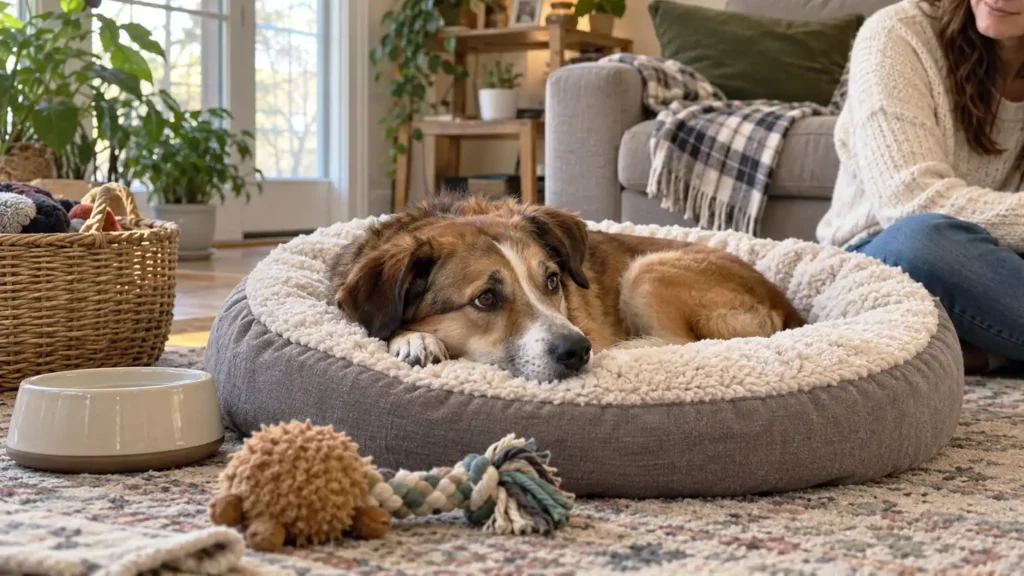
One of the easiest mistakes to make is expecting your new dog to immediately act like they have always lived with you. Some dogs walk through the door and seem comfortable almost instantly. Others spend the first few days sleeping, pacing, following you everywhere, or keeping their distance while they figure things out.
A shelter can be noisy, unfamiliar, and stressful. Some dogs become withdrawn in that environment, while others become restless or highly excited. Once they enter a quieter home, their personality may gradually begin to change.
Your dog may eat less than expected, have accidents, sleep a lot, seem nervous about ordinary sounds, or want to stay close to you constantly. None of that automatically means the adoption is going badly.
Dogs often need time to adjust.
Keep the first few days relatively calm. Avoid overwhelming them with visitors, trips, dog parks, or introductions to every friend you know. Let them learn your home, your voice, your schedule, and your expectations at their own pace.
Consistency usually does more for a new dog than excitement.
The 3 3 3 Rule for an Adopted Dog
You may hear people mention the 3 3 3 rule when talking about adoption. It can sound a little formal, but it is really just a simple reminder that a new dog may need time before they feel completely comfortable.
The idea is roughly:
- First 3 days: The dog may feel overwhelmed, uncertain, tired, or unusually quiet.
- First 3 weeks: Routines begin to feel more familiar and more of the dog’s personality may come through.
- First 3 months: Many dogs begin feeling more secure and settled in the home.
This is not a countdown. Some dogs adjust faster, while others need much longer. A dog with a difficult history may need extra patience and support.
Think of the 3 3 3 rule as a general reminder that settling in takes time, not a deadline your dog has to meet.
Introducing Your New Dog to Other Pets
If there is already another pet at home, it is worth slowing this part down. You may be excited for them to meet, but animals do not always appreciate surprise introductions as much as people do.
For two dogs, a neutral outdoor location can be a good place to begin. Let them walk near each other before expecting direct interaction. Keep leashes relaxed when possible and pay attention to body language.
When you eventually introduce your new dog inside the home, supervise closely and give both animals room to move away if they need to.
Cats may need an even slower introduction. Baby gates and separate spaces can allow both animals to smell and observe each other without immediate contact.
Do not rush the process. Integrating a new dog into a household can take days or weeks, and some pets need even longer.
Food, Veterinary Care, and Preventive Health
Once your dog is home, there are a few practical things worth getting settled fairly early. Food and health care are two of them.
Ask the shelter what food your dog has been eating and avoid switching foods abruptly unless there is a reason to do so. If you want to change the diet, transition gradually so you do not upset their stomach.
Schedule an initial appointment with a veterinarian so you can review the dog’s medical records and discuss vaccinations, parasite prevention, nutrition, weight, and anything else that came up during adoption.
Ongoing preventive healthcare may include:
- Regular wellness exams
- Vaccinations
- Flea and tick prevention
- Heartworm prevention
- Dental care
- Weight monitoring
- Grooming and nail care
- Age appropriate health screenings
Your dog’s needs will change throughout their life, so establishing a relationship with a veterinary practice early can make future pet care much easier.
Build a Simple Training Routine
Training can sound like something that needs to begin once the dog is fully settled, but you are actually teaching them from the first day. They are watching what happens before meals, what gets them attention, where they are allowed to go, and what your routines look like.
You do not need long training sessions. A few minutes at a time can be plenty.
Start with simple behaviors such as sit, come, wait, and responding to their name. Use treats, praise, toys, or affection to reward behavior you want to see again.
Consistency matters too. If several people live in your household, agree on the cues you will use and what behaviors are allowed. A dog will have a much easier time learning when everyone is sending roughly the same message.
Training is not only about obedience. It is also one of the ways you and your dog learn how to communicate with each other.
Exercise, Chewing, and Everyday Enrichment
Walks are important, but they are not the only thing that keeps a dog happy and engaged. Some dogs can walk for miles and still come home looking for something else to do because their brains are just as busy as their bodies.
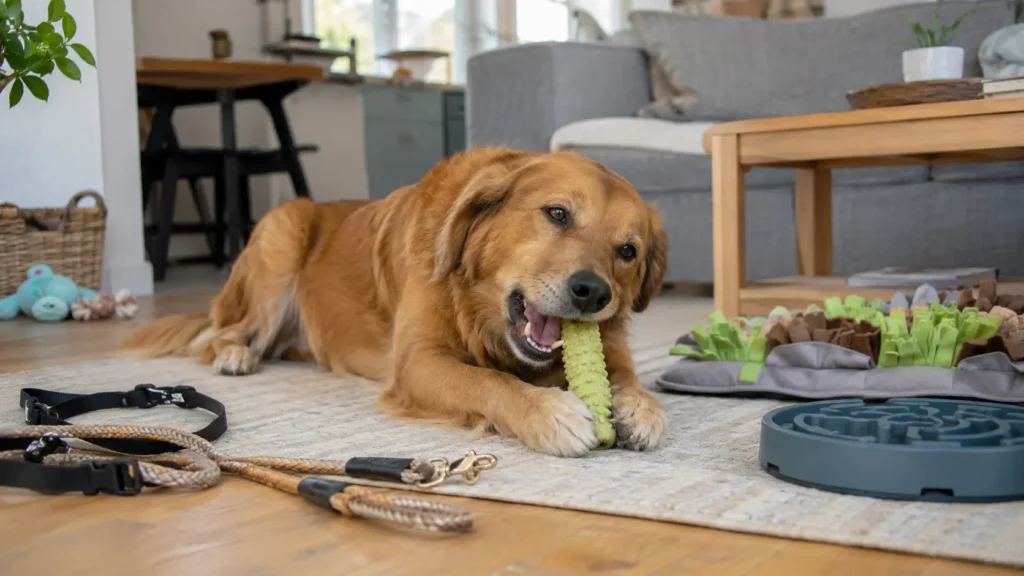
Dogs also need opportunities to sniff, explore, play, chew, and problem solve. A puzzle feeder, chew toy, short training session, or relaxed sniffing walk can sometimes be more satisfying than simply walking farther.
Chewing is also normal dog behavior. Instead of waiting until your dog discovers your shoes, give them safe things they are allowed to chew.
Different dog breeds and individual dogs have very different needs. Some are content with relaxed neighborhood walks, while others need considerably more physical activity and mental stimulation.
Pay attention to the dog in front of you rather than trying to follow one universal exercise formula.
Should You Consider Fostering a Dog First?
Sometimes you know you want a dog in your life, but you are not completely sure whether permanent ownership makes sense yet. In that situation, fostering a dog may be worth considering.
Many shelters and rescue organizations rely on foster homes for dogs that need a break from the shelter environment, medical recovery, or additional socialization.
Fostering can give you a much more realistic picture of what caring for a dog looks like day to day. It can also give the rescue valuable information about the dog’s personality, habits, and behavior in a home.
That said, fostering still comes with real responsibility. It should not be treated as a casual test drive. You are caring for a dog in need during an important transition in their life.
Planning for Long Term Dog Ownership
It is easy to focus on the dog you are bringing home right now, but that dog will change. The puppy chewing everything in sight eventually becomes an adult, and the energetic adult eventually becomes a senior dog who may need slower walks, medication, or a few adjustments around the house.
That is part of dog ownership too.
Over the years, you may need to:
- Adjust exercise as your dog ages
- Change food based on health or life stage
- Pay for training or behavioral support
- Find reliable boarding or pet care
- Hire a dog walker when schedules change
- Manage chronic medical conditions
- Make your home easier for an older dog to navigate
- Continue preventive care throughout their life
You do not need to know exactly what the next 15 years will look like. You simply need to be willing to keep adapting as your dog’s needs change.
Frequently Asked Questions
What Should I Consider Before Adopting a Dog?
Think about your schedule, housing, budget, travel habits, family, current pets, activity level, and how much time you can realistically devote to dog care. You should also consider the dog’s age, temperament, energy level, medical needs, and whether those needs fit your household.
What Questions Should I Ask Before Adopting a Dog?
Ask about the dog’s history, temperament, health, training, behavior around children and animals, energy level, diet, medical needs, and daily routine. Asking the right questions can help you understand what life with that dog may actually look like.
Is It Better to Adopt a Puppy or Adult Dog?
Neither is automatically better. A puppy or dog at a different life stage will come with different needs. Puppies usually require more supervision, bathroom breaks, socialization, and training, while adult dogs may already have established habits and personalities.
How Long Does a Rescue Dog Need to Adjust?
Every rescue dog is different. Some settle within days, while others need weeks or months. Keep routines predictable, avoid overwhelming them, and give the dog time to adjust at their own pace.
What Is the 3 3 3 Rule for Adopting a Dog?
The 3 3 3 rule is an informal guideline that describes the first three days, three weeks, and three months after adoption. It can be a useful reminder that settling into a home takes time, but it should not be treated as a strict timeline.
What Is the 7 7 7 Rule for Dogs?
The 7 7 7 rule is another informal way of thinking about adjustment milestones at seven days, seven weeks, and seven months. Like the 3 3 3 rule, it is not a guarantee. Watch your individual dog’s comfort and behavior rather than expecting them to follow an exact schedule.
What Is the Hardest Age to Adopt a Dog?
There is no universally hardest age. Puppies require intensive supervision and training, adolescent dogs may have high energy and test boundaries, and older dogs may have additional medical needs. The best age depends on your lifestyle, experience, and expectations.
How Much Should I Budget Before I Adopt a Dog?
Plan for more than the adoption fee. Initial expenses may include food, a leash, collar, bed, crate, bowls, toys, grooming supplies, and medical care. Ongoing costs can include food, preventive care, grooming, training, boarding, medication, pet insurance, and unexpected veterinary expenses.
Should I Adopt From a Shelter or Rescue?
Both can be excellent options. A shelter or rescue can help you learn about available dogs and may be able to provide information about temperament, health, and behavior. The best choice is a responsible organization that prioritizes the welfare of the animals in its care.
How Do I Know if a Dog Is a Good Match for Me?
Look beyond appearance and think about how the dog’s energy level, temperament, age, size, exercise needs, and behavior fit your normal routine. A successful adoption is less about finding a perfect dog and more about finding a dog whose needs you are realistically prepared to meet.


One Comment